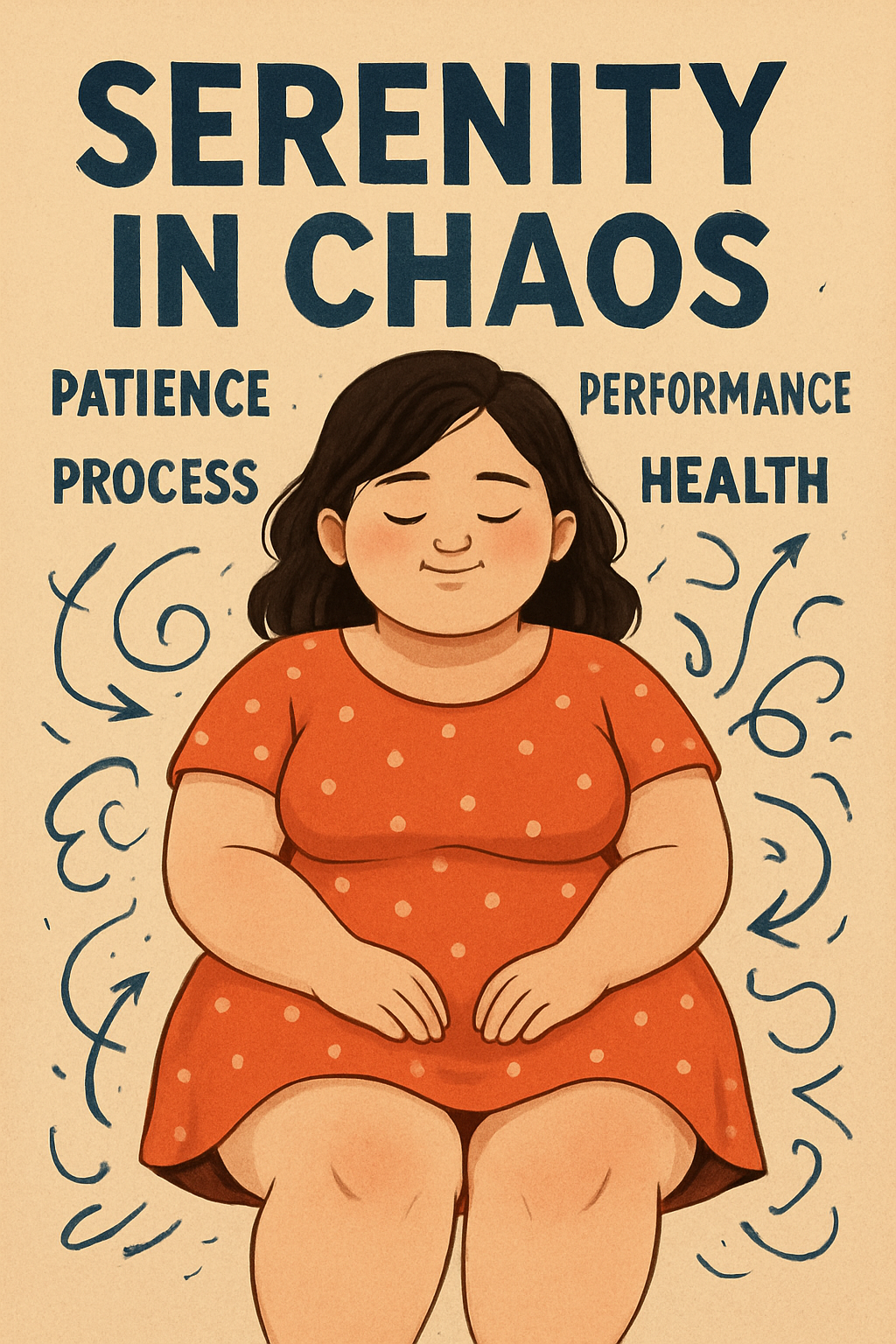
In the 21st century, life has accelerated to an unprecedented pace. Global connectivity, instant communication, and continuous information flow have transformed both professional and personal landscapes. While technology promises efficiency, it has simultaneously introduced a unique form of chaos: relentless deadlines, societal pressures, economic unpredictability, and the constant tug-of-war between work, relationships, and personal growth. In this environment, serenity, the state of calmness and inner stability has become more than a luxury; it is a necessity.

Serenity allows individuals to navigate uncertainty with clarity, make decisions without panic, maintain meaningful relationships, and sustain personal health. Yet, cultivating serenity requires conscious effort. It demands patience in interactions, trust in long-term processes, disciplined attention to physical and mental wellbeing, and practical strategies for improving performance amid chaos.
This article explores the multidimensional nature of serenity and provides actionable insights to integrate calm, patience, and resilience into everyday life. It examines how trust, focus, and health underpin personal and professional success, and how adults can systematically cultivate a life of balanced achievement, even amidst global turbulence.
Serenity is often misunderstood as passive tranquility or escapism. In reality, it is an active, deliberate state of inner calm and mental clarity. A serene individual maintains composure under pressure, responds thoughtfully rather than reactively, and navigates complex situations with awareness and balance. Serenity is neither indifference nor resignation; it is a cultivated mindset that allows for focused attention and resilient decision-making.

From a scientific perspective, serenity moderates the body’s stress response. When confronted with challenges, the nervous system activates the hypothalamic-pituitary-adrenal (HPA) axis, releasing cortisol and adrenaline. Chronic overactivation of this response leads to stress-related disorders, impaired cognitive function, and weakened immune response. Serenity, cultivated through mindfulness, structured routines, and emotional regulation, reduces these physiological stress markers, promoting mental and physical health.
Individuals who embrace serenity consistently demonstrate enhanced problem-solving abilities, improved interpersonal relations, and higher satisfaction in achieving both short- and long-term goals. This is especially crucial in environments characterized by volatility and rapid change, where impulsive reactions can result in missed opportunities, strained relationships, and compromised health.

Patience is a cornerstone of serenity, particularly in human interactions. Relationships whether professional, familial, or social require sustained patience for trust, understanding, and collaboration to develop. In modern life, impatience is often reinforced by immediacy: instant messaging, rapid notifications, and high expectations for prompt results create a culture of urgency. Cultivating patience counters these pressures, allowing individuals to respond thoughtfully rather than react emotionally.
Techniques for developing patience in relationships include:
- Mindful Listening: Fully attending to the speaker without interrupting allows for understanding beyond words, reducing conflict and enhancing trust.
- Reflective Pausing: Before responding to criticism or disagreement, taking a moment to breathe and evaluate reduces impulsive reactions and supports rational engagement.
- Empathy Cultivation: Recognizing the perspectives, pressures, and emotions of others fosters compassion, making patience a natural response rather than a forced practice.
- Conflict Reframing: Viewing disagreements as opportunities for growth rather than threats reduces defensive behavior and encourages collaborative problem-solving.
Practical scenarios illustrate these principles. A manager handling a team member’s repeated mistakes can respond with frustration or with measured patience. By acknowledging systemic constraints, offering guidance, and setting clear expectations, the manager cultivates trust, promotes learning, and avoids relational tension. Similarly, in personal relationships, patience mitigates miscommunication and allows emotional bonds to deepen over time.
Patience is not merely a moral virtue; it is a strategic tool that preserves energy, builds credibility, and ensures long-term relational stability. It requires deliberate practice and often intersects with self-regulation, emotional intelligence, and mindfulness.
In a world increasingly obsessed with immediate results, the ability to trust the process has become a rare and valuable skill. Trusting the process means committing to a disciplined, structured approach toward goals while accepting that outcomes often take time to manifest. It is an exercise in patience, resilience, and long-term thinking, requiring the understanding that meaningful achievements are rarely instantaneous.

The psychology of process trust emphasizes letting go of outcome fixation. Studies in cognitive science suggest that individuals overly focused on short-term results experience higher stress levels, impaired decision-making, and decreased satisfaction. By contrast, those who focus on structured progress incremental milestones, skill development, and consistent effort tend to experience higher motivation, better performance, and greater mental stability.
Practical strategies to trust the process include:
- Breaking Goals into Milestones: Large goals can feel overwhelming. By segmenting them into manageable steps, individuals can track progress, maintain motivation, and celebrate incremental achievements without becoming anxious about the ultimate outcome.
- Embracing Failure as Feedback: Setbacks are inevitable. Viewing them as learning opportunities rather than personal shortcomings transforms frustration into growth. This perspective reinforces the belief that the process itself is valuable.
- Maintaining Consistent Habits: Long-term success relies on routine, discipline, and persistence. Developing daily or weekly rituals aligned with larger objectives ensures forward momentum even during uncertain times.
- Recording Progress: Journaling or tracking performance allows individuals to objectively observe improvements, reinforcing faith in the process and reducing anxiety caused by perceived stagnation.
For instance, an entrepreneur launching a startup may face financial volatility, market resistance, and operational challenges. Immediate success is unlikely. By focusing on structured planning, incremental milestones, and adaptive strategies, the entrepreneur maintains clarity, resilience, and long-term vision. Trusting the process allows them to navigate volatility without being overwhelmed, conserving energy for strategic decisions rather than emotional reactions.
Trusting the process also strengthens relationships. In teams, demonstrating commitment to a structured, consistent approach inspires confidence, encourages collaboration, and reduces friction. Partners, colleagues, and stakeholders are more likely to remain engaged and supportive when progress is methodical, transparent, and dependable.

Modern life is defined by complexity and unpredictability. Economic uncertainty, global political shifts, technological disruption, and personal responsibilities create continuous pressure. To perform effectively in such environments, individuals must cultivate focus, adaptability, and emotional resilience.
Chaos is not merely external disorder; it includes cognitive and emotional turbulence. A cluttered mind, conflicting priorities, and emotional reactivity amplify external stressors, reducing efficiency and decision-making capacity. Serenity, patience, and trust in the process become critical tools for navigating this turbulence.
Strategies for improved performance:
- Structured Prioritization:
Using frameworks such as Eisenhower’s Matrix or Pareto’s Principle (80/20 rule) helps distinguish between urgent and important tasks, ensuring energy is allocated effectively and critical objectives receive attention first. - Time Management and Routine:
Creating consistent daily schedules, including defined work, rest, and reflection periods, reduces cognitive load and preserves mental energy. Even amidst chaos, predictable routines create stability, enhancing focus and performance. - Adaptive Decision-Making:
Chaotic environments often require flexible strategies. Scenario planning, contingency protocols, and iterative problem-solving reduce stress and improve outcomes. High-performing individuals remain vigilant yet flexible, adjusting tactics as situations evolve. - Emotional Intelligence:
Emotional awareness and regulation are essential. Recognizing one’s emotional triggers, practicing mindfulness, and responding thoughtfully rather than reactively prevent emotional turbulence from undermining professional or personal effectiveness. - Resource Optimization:
Physical, mental, and social resources must be allocated efficiently. Sleep, nutrition, social support, and energy management directly affect performance capacity. Ignoring these aspects leads to burnout, cognitive fatigue, and suboptimal decisions.
Illustrative scenario: A project manager coordinating a multinational team during a product launch may encounter time-zone differences, unexpected regulatory hurdles, and team conflicts. By structuring tasks, maintaining open communication, and practicing patience with colleagues, the manager ensures that workflow remains steady, deadlines are met, and team morale is preserved despite the chaos. Personal serenity and trust in the process allow them to perform consistently and make strategic decisions rather than reactive ones.

Physical and mental health underpin every other element of serene, patient, and high-performing life. Without a stable foundation of health, patience falters, focus declines, and the ability to trust long-term processes is compromised. Chaos exacerbates stress-related health risks, making conscious attention to wellbeing essential.
Physical Health:
- Sleep: Adequate, consistent sleep (7–9 hours) improves cognitive performance, emotional regulation, and resilience. Irregular sleep schedules heighten cortisol levels, reducing patience and clarity.
- Exercise: Regular physical activity—cardio, strength, flexibility—enhances energy levels, cognitive function, and stress tolerance. Even short, daily sessions produce measurable benefits.
- Nutrition: Balanced diets rich in whole foods, hydration, and controlled caffeine and sugar intake stabilize energy, improve focus, and support emotional resilience. Avoiding processed foods and excessive stimulants reduces physiological stress and inflammation.
Mental and Emotional Health:
- Mindfulness and Meditation: Daily meditation or breathing exercises reduce anxiety, enhance patience, and increase clarity. These practices cultivate the mental “pause” necessary for serene responses.
- Cognitive Reflection: Journaling, reflective thinking, or structured problem-solving sessions help manage emotional reactions and clarify priorities.
- Community and Social Support: Maintaining strong relationships, seeking advice, and participating in supportive networks reduces isolation, increases resilience, and reinforces patience.
Integrating health into daily routines:
- Start the day with 10–15 minutes of mindfulness or breathing exercises.
- Schedule focused work periods with brief restorative breaks.
- Maintain regular physical activity, even short walks or stretching.
- End the day with reflection or gratitude practice to reinforce mental calm.
Case example: A healthcare professional working in high-pressure hospital environments faces continuous chaos. By integrating structured routines, mindful reflection, exercise, and balanced nutrition, they maintain cognitive performance and emotional resilience. Colleagues and patients benefit from their consistent, calm demeanor, demonstrating how personal health supports broader relational and organizational success.
Serenity, patience, and performance are not isolated qualities; they form an interdependent system that sustains success, wellbeing, and meaningful relationships. Cultivating serenity improves focus and emotional regulation, patience enhances interpersonal harmony and long-term goal achievement, and structured performance ensures consistent progress.
Synergy of these qualities:
- Patience supports serenity: By reducing impulsive reactions and cultivating acceptance, patience reinforces inner calm.
- Serenity improves performance: Calm decision-making allows for clear prioritization, creativity, and strategic thinking.
- Performance nurtures trust and patience: Achieving incremental milestones reinforces confidence in processes, supporting patience and reducing anxiety.

Across cultures, societies have emphasized the interplay of these qualities. In Japan, the principle of kaizen continuous incremental improvement reflects patience and trust in long-term processes. Scandinavian countries prioritize work-life balance and mindfulness in daily routines, creating societal structures that encourage serenity. Similarly, Bhutan’s emphasis on Gross National Happiness integrates emotional wellbeing, relationships, and productivity into a cohesive approach to life.
Practical integration:
- Begin each task with a mindful check-in: assess emotional state and priorities.
- When challenges arise, pause, breathe, and decide on the most strategic response rather than reacting impulsively.
- Maintain consistent, realistic goals to reinforce trust in the process and gradual achievement.
This integrated approach ensures that professional output, personal relationships, and health are maintained even during periods of high stress or uncertainty.
Consistency in daily routines is a cornerstone of serenity and long-term success. Rituals, whether brief or elaborate, act as anchors for mental and physical balance.
Morning Rituals:
- Mindful awakening: Begin the day with 5–15 minutes of meditation, deep breathing, or gentle stretching to center the mind.
- Structured planning: Review daily goals, prioritize tasks, and anticipate challenges. Writing a short plan reduces anxiety and enhances focus.
- Nourishment: A balanced breakfast with hydration fuels cognitive performance and stabilizes energy.
Micro-practices Throughout the Day:
- Mindful breaks: Every 90–120 minutes, pause to stretch, breathe, or step outdoors. Short breaks prevent cognitive fatigue.
- Reflective journaling: Recording thoughts, challenges, and gratitude fosters mental clarity and emotional balance.
- Focused work intervals: Using techniques like the Pomodoro method allows sustained attention while preventing burnout.
Evening Rituals:
- Digital detox: Reduce screen time 1–2 hours before sleep to prevent overstimulation.
- Wind-down practices: Light reading, gentle stretching, or reflective journaling calm the nervous system.
- Sleep hygiene: Maintain a consistent bedtime and create a restful environment to ensure restorative sleep.
Example scenario: An international finance executive manages multiple time zones and high-pressure decisions daily. By following structured morning rituals, mindful micro-breaks, and reflective evening routines, they maintain mental clarity, emotional balance, and high performance despite demanding responsibilities.
Even with patience, serenity, and structured routines, setbacks are inevitable. Economic instability, professional disappointments, health challenges, and interpersonal conflicts are unavoidable elements of adult life. The key is maintaining perspective and resilience.
Strategies for overcoming setbacks:
- Reframe challenges as learning opportunities: Instead of viewing failure as defeat, analyze it objectively to extract actionable lessons.
- Maintain long-term focus: Avoid letting temporary obstacles derail broader objectives. Small, consistent steps remain more powerful than reactionary shortcuts.
- Emotional regulation: Techniques such as mindfulness, breathing exercises, and journaling help prevent emotional escalation and impulsive decisions.
- Seek support: Trusted colleagues, mentors, family, or professional counselors provide guidance, perspective, and encouragement.
Illustrative scenario: A research scientist faces repeated setbacks in a critical project due to experimental failures. By analyzing each setback, seeking mentorship, and maintaining incremental progress, they eventually achieve a breakthrough. This approach not only reinforces trust in the process but also strengthens resilience, patience, and confidence.
Long-term fulfillment emerges when serenity, patience, and performance are aligned with values, relationships, and health. Individuals who cultivate these qualities not only achieve professional success but also experience deep personal satisfaction.

Core principles of long-term balance:
- Value alignment: Decisions and actions should reflect personal values, ensuring consistency between internal beliefs and external behavior.
- Holistic success: Measure achievement not solely by financial gain or status but by relational health, personal growth, and wellbeing.
- Legacy building: Foster environments and relationships that encourage calm, trust, and patient growth in others.
- Continuous reflection and adaptation: Periodically evaluate progress, reassess goals, and adjust strategies to maintain alignment with evolving priorities.
International examples:
- Scandinavian countries’ societal emphasis on work-life balance illustrates sustainable long-term productivity combined with personal well-being.
- Global wellness movements highlight the connection between mental calm, physical health, and social harmony as essential components of lasting success.

Practical long-term actions:
- Annual review of personal and professional goals with reflection on growth and setbacks.
- Cultivation of mentorship and community relationships that reinforce patience, learning, and serene decision-making.
- Commitment to ongoing health and wellness practices as non-negotiable elements of a balanced life.
Serenity is not passive, it is a deliberate, cultivated skill that enables adults to thrive amidst modern chaos. When paired with patience, trust in long-term processes, disciplined performance, and health consciousness, serenity becomes a foundational pillar for personal and professional fulfillment.
In today’s fast-paced world, mastering these qualities is not only advantageous but essential. By practicing structured routines, mindful reflection, patience in relationships, and trust in incremental progress, individuals can navigate uncertainty with clarity, achieve meaningful goals, maintain health, and nurture lasting relationships.
The path to serenity is a lifelong journey, reinforced daily by conscious choices. Each small act of patience, mindful decision, and health-conscious habit compounds into a life characterized by calm, resilience, and enduring success. In embracing this approach, adults worldwide can transform chaos into opportunity, stress into clarity, and daily routines into sustainable practices that foster holistic achievement.
Serenity in Chaos: Complete Practical Guide
- Cultivate Serenity:
- Practice mindfulness or meditation 10–15 minutes daily.
- Take reflective pauses before reacting to challenges.
- Limit digital distractions (social media, emails, notifications).
- Journal thoughts and emotions to clarify priorities.
- Develop Patience in Relationships:
- Listen fully before responding; avoid interrupting.
- Pause and breathe when triggered by conflict.
- Practice empathy and understand others’ perspectives.
- Reframe disagreements as growth opportunities.
- Set realistic expectations for improvement over time.
- Trust the Process:
- Break goals into manageable milestones (weekly/monthly).
- Track progress with journals or digital tools.
- View failures as feedback, not personal shortcomings.
- Maintain consistent habits aligned with long-term objectives.
- Celebrate small wins to reinforce confidence in progress.
- Perform Better Amidst Chaos:
- Prioritize tasks using frameworks like the Eisenhower Matrix.
- Maintain structured routines to reduce cognitive overload.
- Be flexible and practice adaptive decision-making.
- Develop emotional intelligence for strategic responses.
- Optimize physical and mental energy through sleep, nutrition, and exercise.
- Maintain Health and Wellbeing:
- Ensure 7–9 hours of restorative sleep each night.
- Engage in regular physical activity (cardio, strength, flexibility).
- Eat a balanced diet; minimize processed foods, sugar, and caffeine.
- Build supportive social networks for guidance and perspective.
- Use mindfulness to maintain calm and mental clarity.
- Daily Rituals for Stability:
- Morning: Meditation/breathing, planning, balanced breakfast.
- Daytime: Micro-breaks, focused work intervals, reflection.
- Evening: Digital detox, journaling/gratitude, consistent sleep routine.
- Overcome Setbacks:
- Reframe failures as learning opportunities.
- Maintain focus on long-term goals, not temporary obstacles.
- Practice emotional regulation before reacting.
- Seek mentorship or peer support for perspective.
- Adjust strategies based on lessons learned.
- Build Long-Term Balance:
- Align actions with personal values.
- Measure success holistically: career, health, relationships, personal growth.
- Mentor or support others to reinforce patience and calm influence.
- Reflect and adapt goals periodically as circumstances evolve.
- Commit to health and mindfulness practices as non-negotiable foundations.
- Quick Daily Checklist:
- Morning meditation:
- Daily planning & prioritization:
- Mindful micro-breaks:
- Balanced meals & hydration:
- Exercise/movement:
- Journaling/reflection:
- Evening wind-down:
- Adequate sleep: